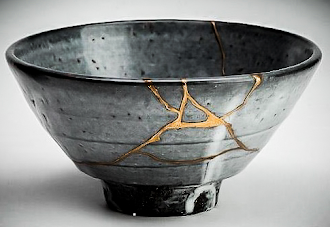
Dua and the Sharpening of Desire
In the name of God, the Most Gracious, the Most Merciful Earlier today I started to pray for my daughters to grow up beautiful and blessed, to have a futures brimming with good fortune, to be granted piety and happiness—in other words, to have it all— and then I stopped short. It felt as though I was about to jinx them, as though the enormity of my dreams for them was uncouth or even ungrateful. Pare it back, a voice in my head whispered. Don’t ask for too much. It required a strong anti-superstitious effort to utter a dua (supplicatory prayer) that encompassed the full range of what I desire for their lives to amount to: perfect, incomparably happy, glistening. On reflecting on this feeling, I realised that to desire fully is very difficult. A thousand obstacles stand in the way: fear of disappointment, the urge to negotiate, a difficulty in knowing what one truly wants, the shame in desiring at all. ~ Desire is a misunderstood and even a stigmatized feeling. Too quickly does it appea...